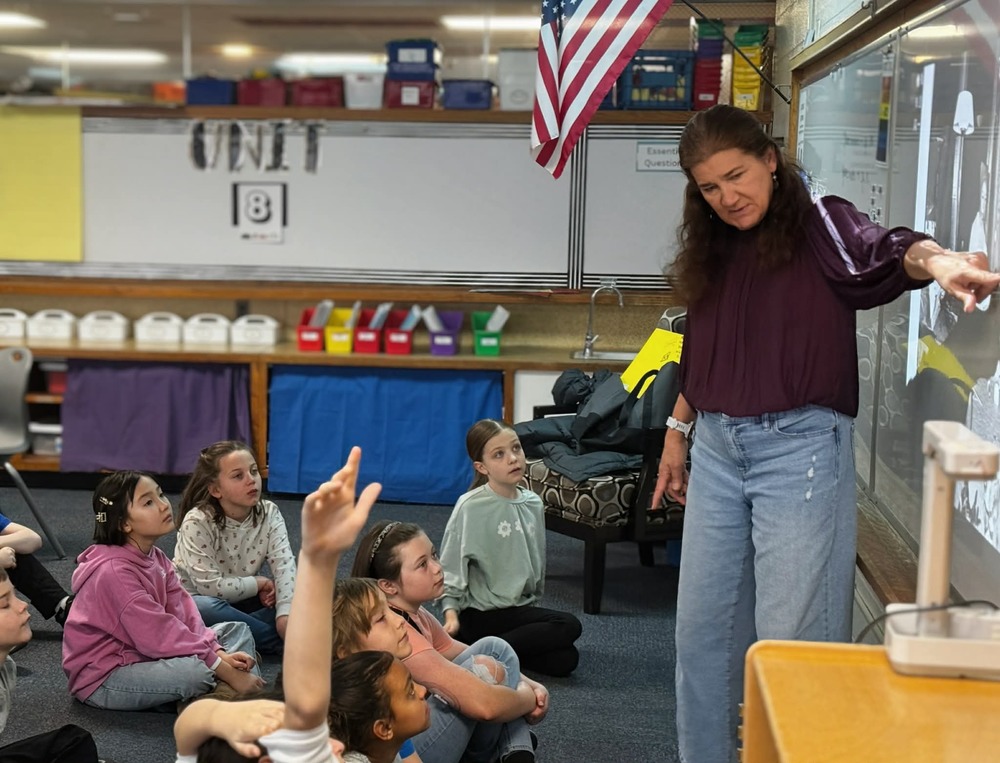
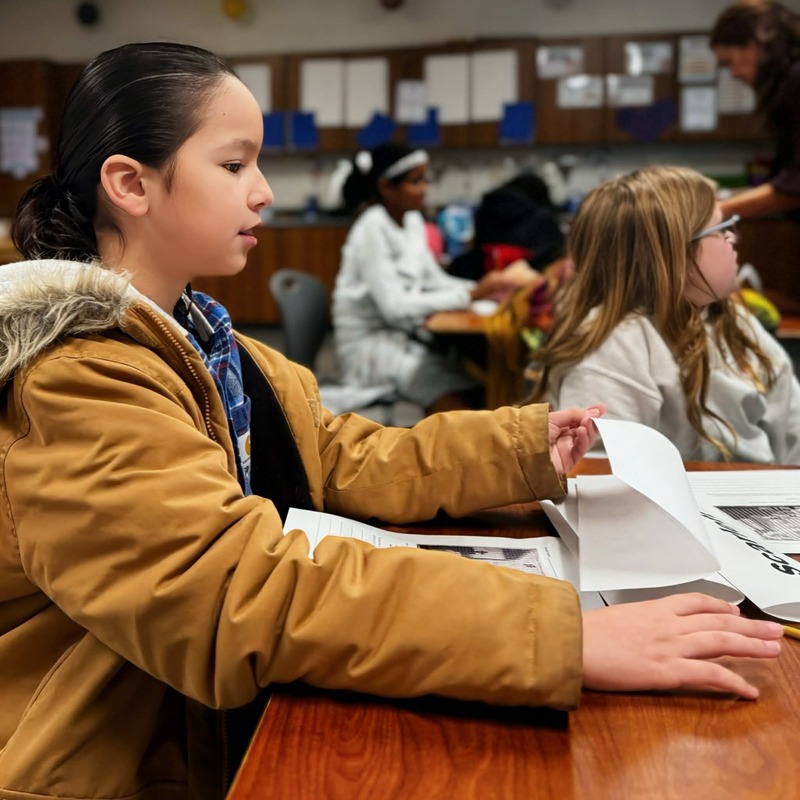
If you walked into a 3rd, 4th, or 5th-grade classroom at Wallace this week, you would have seen a room transformed by curiosity. Students lean forward, eyes tracing every detail of an art piece, hands raised to share their ideas. There are no wrong answers—only opportunities to look closer, think deeper, and explain what they see.
Through a collaboration with Honeywell Arts & Entertainment, our young Wildkats are participating in Visual Thinking Strategies. At Wallace, "integrated arts" isn't just a phrase—it means we use the arts to help kids master core skills like reading and writing in a way that feels natural and exciting.
The Value of Thoughtful Observation
Once a month, a Honeywell-trained facilitator visits our classrooms, guiding students through open-ended questions and encouraging them to back their ideas with evidence from their observations. In these discussions, there is no rush to find a single "correct" answer. Instead, the facilitator encourages our students to look deeply at a piece of art and asks: "What’s going on in this picture?"
During a recent discussion, one student shared an observation: “I can tell it’s from a long time ago, because it has a phone with a cord attached to the wall.”
Another student raised a hand to add their own perspective: “I kindly disagree, because I have a phone like that in my house, so it might not be from that long ago.”
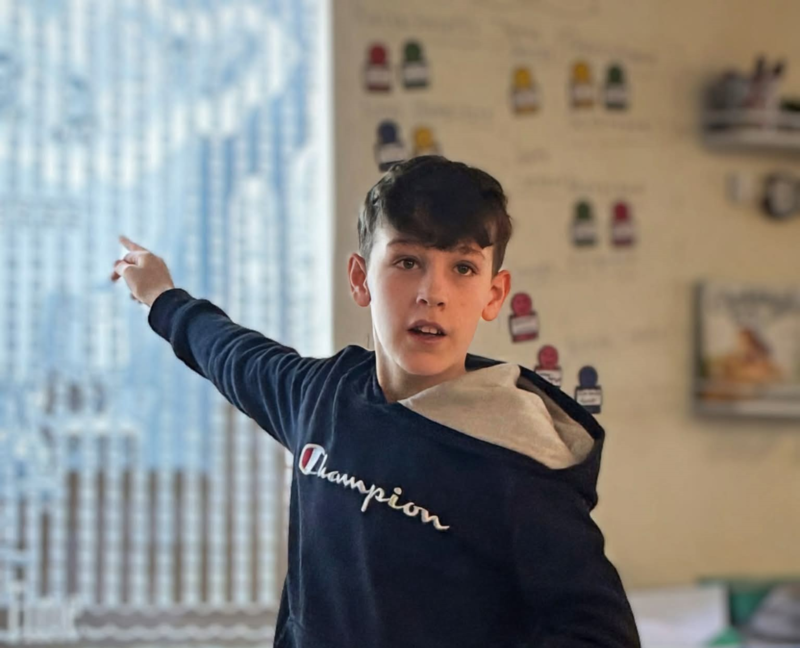
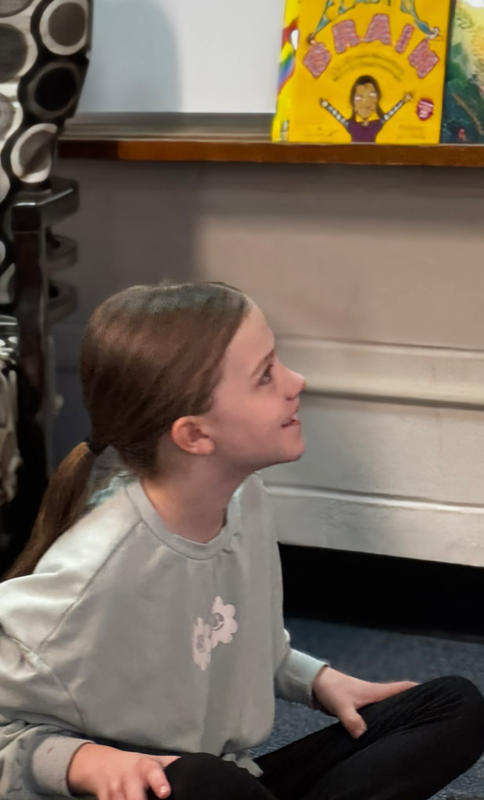
This is the heart of the Wallace experience. Our classrooms are safe, welcoming spaces where students learn to lean on their own observations, express their ideas clearly, and—most importantly—listen to and respect the different ways their classmates see the world.
 Building a "Visual Library" for Literacy
How does looking at a painting help a child read and write? Reading comprehension is often about context. When a student reads a story, their understanding is much deeper if they have a wide "visual library" of different places, objects, and historical eras to draw from.
By observing various types of art and hearing the descriptions shared by their friends, every student is adding to their personal library of knowledge. This exposure helps them better understand the settings and themes they encounter in their books. It’s a simple, effective way to help students connect the words on a page to the real world.
 From Observations to the Written Page
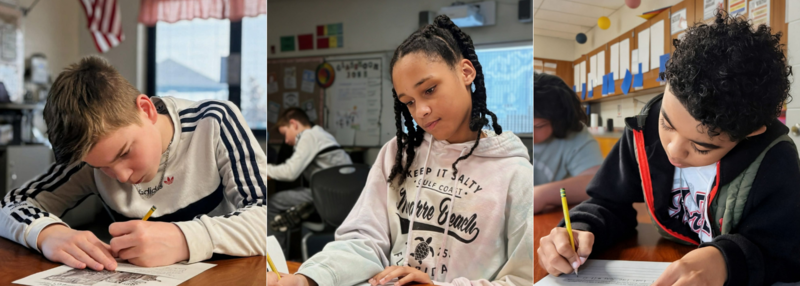
The engagement continues even after the discussion ends. Every lesson concludes with a writing piece where students use three simple questions to put their thoughts on paper.
When a child spends time really seeing an image, their writing naturally becomes more descriptive and organized. We love watching our students’ confidence grow as they realize they have plenty of thoughtful, creative ideas to share through their own words.
Join the Wallace Wildkat Community
At Wallace School of Integrated Arts, we believe that when we give students the tools to observe the world closely, their potential is limitless. We invite you to enroll and see how our unique approach helps students think deeper and grow every single day, the Wildkat Way!